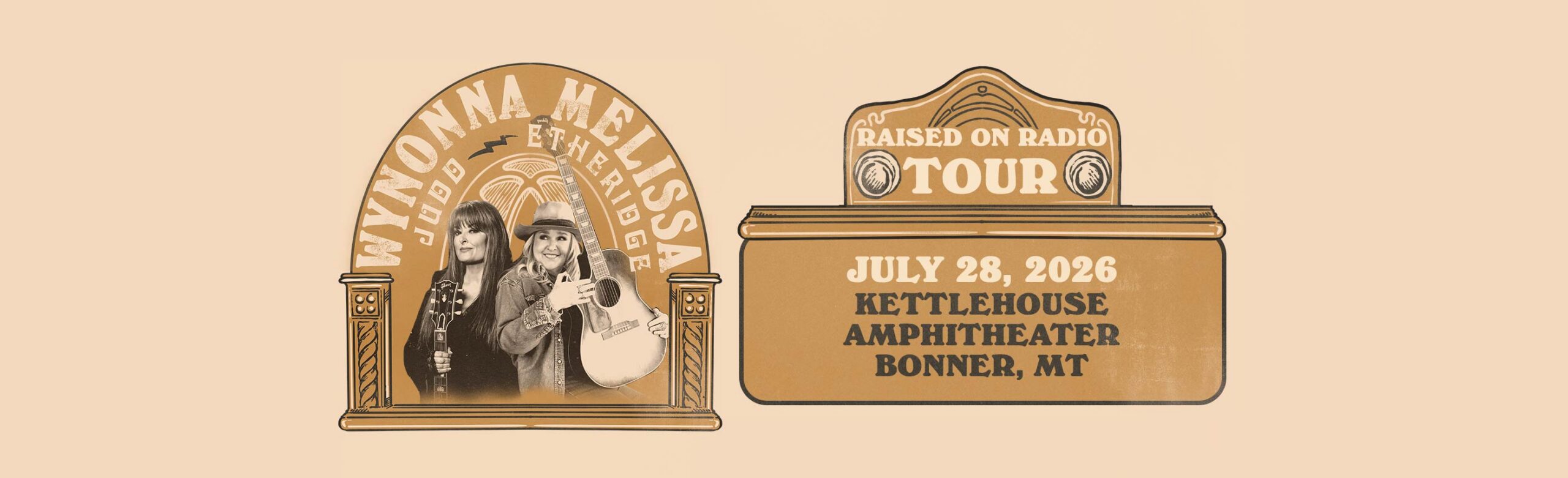
“I chose to survive,” Melissa Etheridge sings on “Being Alive,” the powerful, exuberant opening song of the Academy Award and Grammy Award winning artist’s 17th studio album, Rise. She then takes a pause, the flurry of her guitar and her bandmates’ boisterous sounds fading out, before she practically shouts, with unbridled joy: “God I love being alive! “The words say so much. But in that pause — just a few seconds long — it’s as if she’s looking at everything that has happened in her life in the time since she last released an album of new material, 2019’s The Medicine Show, and with it everything that is to come on this remarkable, emotional mosaic of songs. And it’s a lot. Co-produced by Etheridge and Shooter Jennings (whose production credits include Brandi Carlisle, Tanya Tucker, Charlie Crockett and, of course, his father Waylon Jennings) and featuring her sharp band of guitarist and keyboard player Max Hart, drummer Eric Gardner and bassist Erik Kertes, Rise soars as an intimate and richly realized collection. At turns it’s celebratory and playful, as in the explosive “Don’t You Want a Woman” (picked as the official rally song of the Kansas City Current professional women’s soccer team) and “Tomboy” (reclaiming the term as a badge of pride), both punctuated by Etheridge’s hearty laugh. There’s “Matches,” a frisky ode to the guitars that sparked her musical passion as a kid, steeped in the spirit of childhood hero Johnny Cash. There’s the lusty honky-tonker “Davina,” its singalong chorus sounding as if it could have been recorded in a raucous saloon. And there’s “If You Ever Leave Me,” which starts with Etheridge cruising down Melrose in the ‘80s after first arriving in L.A., but goes on to glory in her marriage with Linda Wallem. “If you ever leave me, I’m coming too,” she sings, with another burst of laughter. At others it’s contemplative, most profoundly and movingly in “Call You,” her deeply affecting account of living in the wake of the opioid death of her son, Beckett, in 2021. In it she looks deep in her soul and cherishes the strengthening embrace of family, friends and community. This also filters through “The Other Side of Blue,” a light-in-the-darkness anthem co-written and co-sung with Chris Stapleton. And at the end of the album she shines in the warmth of “More Love,” written for and sung at her daughter Bailey’s wedding last fall. Ultimately, it’s an album of acceptance and resilience. As she sings in the title song:
You’re gonna fall to earth sometimes
You’re gonna taste the dirt sometimes
Then you’re gonna rise
The inspiration, she says, came from sitting in a Florida hotel room while on tour and watching a raven outside the window fighting to fly against the wind, making no progress. “He’s just working so hard just to stay and not going anywhere,” she says. “And I was like, ‘God, this is me.’” This was also around the time of the Los Angeles-area fires, for which she and Wallem had to evacuate for a few days. That led her to think about some of the things contained in and represented by their home. “I thought about my house,” she says. “And that’s where my son’s ashes are on a shelf.” She sings about that too:
There’s a shelf inside my house
Where the ashes of anger hide
And there’s a voice deep down inside me
Says it’s time to change the story of my pride
“I have to be okay that my son made these choices,” she says. But that, naturally, was difficult to process. As she then sings: Why is it so damn easy to make things so damn hard? The time between albums brought about a lot of personal exploration. Unable to tour during the pandemic, she turned to streaming with more than 200 episodes on Etheridge TV, featuring songs (a lot of cool covers), stories and answers to fan questions. That all took on extra dimensions after Beckett’s death. She channeled her grief into her memoir Talking to My Angels. And she triumphed on Broadway with her one-woman show Melissa Etheridge: My Window, which the New York Times praised for its “striking intimacy, as if Etheridge had shrunk an arena to fit in the palm of her hand.” She also founded the Etheridge Foundation to explore and promote plant-based treatments for illness — a long-standing passion since her own experience with breast cancer — and addiction. She dialoged with and performed a concert for women incarcerated at the Topeka Correctional Facility, resulting in the 2024 Paramount+ two-part docuseries I’m Not Broken. And when she returned to the road she went all out, with tours in North America and Europe, including a long-awaited co-headlining trek with the Indigo Girls. And through it all, she focused on her family. The one thing she did not do for much of that time was write new songs. That changed in late 2024. “I just started gathering things,” she says. “I was thinking about losing my son. What was that like. Finding my own strength, being in a solid marriage relationship and with my family. Just feeling solid and wanting to sing about that experience, wanting to sing about being okay, and being okay with being okay, and showing that everything changes. And you survive. You go on. And this is life. “And that’s ‘Being Alive.’ That what it’s like. Look, all these things happen. Yeah, this is hard. Sometimes we make it hard for ourselves. But you know what? I wouldn’t want to be anywhere else. I love being alive. So, this is me in my sixties now.” She laughs. “I’ve got a deep spiritual outlook on the world that helps me, that serves me, that helps me stand up and be a very strong woman participating in my life with gratitude and appreciation.” In Jennings she found the perfect partner to help her bring that shining through her songs. “I was thinking with the state of the music industry right now, you know, rock ’n’ roll is kind of out in the desert. And I go listen to Outlaw Country [the satellite radio channel on which Jennings hosts a show] and Americana and I’m like, ‘Well, that’s my people! That’s my home.’ I want to plant my stake here and say that I am part of the California rock tradition. I told management and my band, ‘I want this to be like the Eagles, Jackson Browne, Fleetwood Mac. And let’s widen it out. Let’s go to Waylon Jennings and Gram Parsons. My manager said what about Shooter Jennings? And I went, ‘Whoa! That’s perfect.’ He loves heavy metal and rock ’n’ roll, but he’s got country in his blood. We just went to a studio one afternoon, had such a great time. By the end of 15 minutes he said, ‘I want to work with you.’ I played one song for him, the first song I had written, which was ‘Call You.’ He just looked at me and went, ‘Yes.’” The partnership was even better than she had imagined. “He had a beautiful way of letting everything be. And only when we really needed it would he be like, ‘Hey, why don’t you do this?’ He just let everything happen. From the very first song, the very first day we were there, it was half a day and we got two songs. And then the next day we got three songs. I went, ‘Whoa! We’ve been here two days and the album’s half-done!’” The feeling was mutual. “Getting to work with Melissa was one of the greatest times of my life,” Jennings says. “From the moment she walked into the studio the first time I met her, she exuded such light and wisdom, I was floored. She’s one of the greatest rock and roll artists of our lifetime and an incredible songwriter as well. Watching her work, wearing her songs, basking in her abilities, was a high mark in my career as musician. Nobody plays a 12-string acoustic like Melissa. The only thing I can say is I am lucky to have had the chance to work with Melissa and her incredible band on this album. Being around her is to be second party to the kind of experience, excellence and musicianship that made the rock and roll heroes of our generation. And Melissa Etheridge is certainly one of those. I had a blast making this album and I can’t wait for the world to hear it.” It helped that she and her band had just been on tour and were in total sync. “We were so warm, we were ready. It was so easy. The arrangements came together. It was just one of the greatest experiences I’ve had in the studio.” She also notes that in the time between albums she focused a lot on her guitar playing and every lead on the album is hers — most shiningly an extended solo on the smoldering soul waltz “To Be a Woman.” “I can’t wait to play that live,” she says, eager to see where she can take it. Teaming with Chris Stapleton proved just as easy and rewarding. Etheridge had visit Nashville a few times, made friends with some top artists there, but had never met Stapleton. But she was a fan and when the notion of doing duets came up, she said there was only one person she would consider, and it was him. Soon she found herself sitting in Nashville’s famed RCA Studio B, a huge room in which Chet Atkins shaped the Countrypolitan sound and countless iconic hits were recorded, just the two of them sitting and holding their guitars. They talked about their lives, their families, their hopes and dreams. Etheridge told him about her kids, about Beckett. “I said, ‘But it’s okay, because he was my greatest teacher,” she says. “And Chris just looks at me and goes, ‘Oh man, you talk in songs.’” That became the opening line of what would grow into “The Other Side of Blue”: “Sometimes I listen when she talks in song,” the song poetically capturing the pervasiveness of loss one carries, and the persistence of love.
There’s such a thing as dreams that won’t come true
But it’s brighter on the other side of blue
Originally, Stapleton only wanted to serve as co-writer, but after the song was done, he was persuaded to sing as well, the two of their voices blending perfectly, accenting both the song’s deep ache and hope. “You know when you have that desire for something so much that finally comes true, you’re just like, ‘Oh my God,’” Etheridge says of the experience. “I’m so grateful, so so grateful.” Gratitude is the emotion that most characterizes Rise. The loss she experienced only served to put a light on that for her. It’s no accident that “Call You,” grappling with not having her son around anymore, was the first song she wrote for the album. “I had to get that out,” she says. “I knew as I approached this album I would have to write, would want to write the song describing, ‘Okay, I had this great loss. What am I going to do about it?’ Because I’ve been doing a lot of work with the Etheridge Foundation and really processing loss. I just sat down and said, ‘Look, I’m not even going to think about what kind of song it’s going to be. And since I can’t call you anymore, I’m going to take a drive.’ And it just went from there. I will not stop living.” In the song, she sings of letting go and asking for help. “I said to Linda, ‘I’m not a religious person, But Jesus helped me through this.’” she says. “That is to me a universal cry for help and comfort. I grew up in a Methodist church. I’m not preaching Jesus. I’m using it as an expression: Jesus help me though this and teach me how to calm the waters, because he calmed the waters and walked. I’m looking for, I’m open to help.” It’s also no accident that it is followed by “More Love” to close the album. “I was trying to put them apart. But I could not follow ‘Call You’ with anything else. My daughter was engaged. I wanted to write something for her wedding, about her. I ended up doing it at her wedding. It was just the experience of having a child and you learn to walk, you learn to hope and feel. And then you learn disappointment and you hope they stay. And then you have love and you go and you grow and you spread your wings and you drink and do all this stuff, but it’s not going to fill your soul. And you find that what you really want is more love and more hope and light. It’s kind of as a mother, just advice. Look, I’ve lived this long and this is what I know, that you are just looking for more love. And you can find it right here in yourself.”Putting those two songs together closes the album with a yin-yang completeness, the whole of life, from deep in her heart. “Those are my two oldest kids,” she says, sighing. “Yeah.”